Working Conditions are Still Your Job
 Matt Metzger 5 min read
If it weren't for Labor Day, the doctor performing the C-section that brought me into the world wouldn't have been on vacation.
I'd be a whole extra day older than I am right now. Labor Day has always played a significant role in my life.
For most of my life, that was the entire significance of it. Being born next to a holiday where nobody else gets presents and no real traditions compete for attention is a pretty good deal when you're a kid. Every year, the long weekend felt like it was just for me.
The irony has caught up with me, though.
Because I've spent my adult life caring loudly (and probably more than is strictly polite) about what happens to human beings at work. And it turns out I share a birthday with a holiday about exactly that.
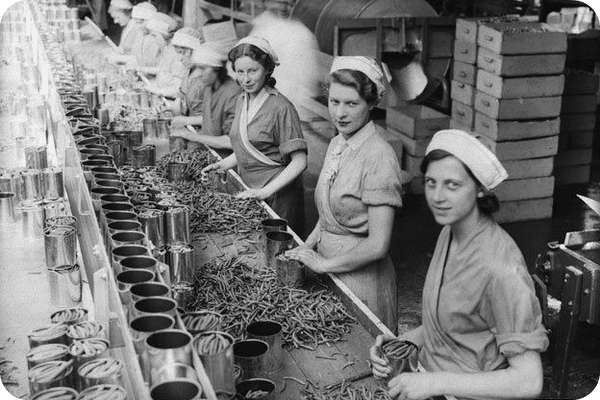
The history of Labor Day is complicated. Darker than the cookouts suggest and probably more political than I'm equipped to unpack. But my layman's read is this: a group of people looked around and decided their lives mattered more than the profits they were producing. That the flesh and blood and the passion and the plain humanness of a person counted for more than the gears they kept turning.
Let me get one thing straight before we go further.
If you've followed this content, or met Josh and me, you know we put a high value on productivity and efficiency. Humans are built to seek out and overcome challenges. It's the thing we do best. Whether it's for survival or for some creation or cause we've decided is worth it, we thrive when engaged well and meaningfully. And the more efficiently we handle what comes at us, the more time and space we have left over for the people we care about and the life we actually want.
So this isn't an argument against getting things done.
And yet.
I have real respect for a group of workers who looked at their environment and said, I don't think we're being thought of here. I think we're being treated like cogs and gears instead of being invited to contribute to something bigger. Something that lets everybody win. Something healthy and good for all of us.
The phrase they left us with is working conditions. That phrase is worth keeping, even though 1894 is a long way from here.
Most of us don't walk into a building where our life is at stake. (And a quick hat off to those heroes who do.) That’s a real win, and it's worth saying so out loud. But working conditions is still something every leader gets to think about. And I'd argue it's one of the better parts of the job.
Physical safety is largely handled. What's left is everything else. The social conditions. The emotional ones. The psychological ones. The question of whether the people we work with feel like people.
That's not a burden. It's closer to a privilege. We get to shape whether someone leaves work a little more alive than they walked in.
And healthy is more than vegetables in the break room and zero-sugar options in the vending machine.
Are we building teams where people feel like they have a mind, a heart, and a soul worth contributing something that counts for more than how many widgets they moved or how fast they got through the call queue?
Here's the good news. That kind of dignity is shockingly easy to create.
So the day after Labor Day, three reminders. My guess is these feel like old hat. But in case the grind has been winning lately, here's how to build some pretty remarkable working conditions this week.
One. Smile at yourself.
This will feel goofy, but I’m doing it on purpose. Pull your phone out, flip the camera to selfie mode, look at yourself, and smile.
No really, I’ll wait.
We get so locked into the grind that we forget smiling actually does something. It starts the chemistry that washes out the stress hormones we've been marinating in all morning. It's a real, physical shortcut, and it's free.
Then, in the next five minutes, smile at the next person you see.
If it creeps them out a little, that's useful data. Might be worth doing it often enough that it stops being rare.
Two. Put your people on your morning list.
Revisit your start-of-day routine. (If you don't have one, go back to what Josh wrote in the Insider last week.)
Whatever the routine is, make sure connecting with your humans is on it. Leaders architecting ideal working conditions for their teams don't start the day reactive. They don't start by running from one fire to the next. They start with their time, their priority, and their humans.
Are you making a point to go around for eye contact? A smile (see number one). A fist bump, a handshake, a quick check-in with each person you get to work with?
It doesn't have to be twenty minutes. Hey, how are you? How'd the night go? Anything you need? A few seconds is enough to tell someone they belong here for more than what they produce.
Three. Ask a human question in your stand-up.
Weekly cadences are vital. You've got a lot to accomplish and not much time to do it. If you're crushing through thirty minutes, you want every minute working. But if it's a recurring team stand-up, a dashboard and a scoreboard both, take time for a question of the day.
Get fun and easy with your questions. Favorite ice cream? Best vacation? How do you unplug on a Sunday afternoon? The question doesn't matter. What matters is that you're asking human beings human questions. Questions that acknowledge they have lives stretching far past the walls of the room you're sitting in.
None of these are decoration, by the way. The leaders who consistently get the most out of their people tend to have this stuff built into the rhythm and not saved for the weeks that happen to have room in them.
Whatever your weekend looked like, and however you chose to mark the holiday or not mark it at all, this is a good week to take ownership of the conditions around you.
We all get to play the game of work. We all get to find a way to contribute to the collectives we're part of. We're all choosing, on some level, to be in the jobs we're in.
So let's make these jobs as human as we can.
What is not good for the beehive cannot be good for the bee.
P.S. You probably don't need a 40-step program to improve workplace conditions. You only need about four seconds and the willingness to look someone in the eye and smile.
Helpful resources.
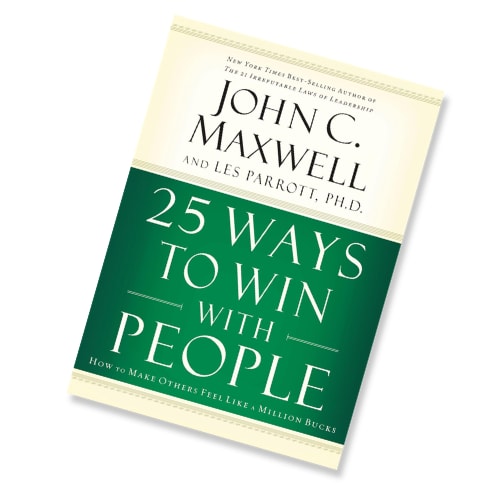
25 Ways to Win With People
25 Ways to Win with People" is like a toolkit for making meaningful connections. Each idea is simple but powerful—like finding small ways to encourage someone or giving genuine compliments that stick. It’s not about big gestures; it’s about the little things that make others feel seen and valued. A quick read, but the impact lasts